A description is not a family tree
A rescue profile might call a cat a Domestic Shorthair. A friend might say tabby. An online photo comparison might suggest a pedigree breed. These labels can sound interchangeable, but they describe different things.
It helps to separate three questions: What does the coat look like? What is known about the cat’s ancestry? What do we actually know about this individual’s needs? You do not need a prestigious answer to the second question to give the third question your full attention.
The labels at a glance
- Domestic Shorthair or Longhair describes a household cat by coat length. It does not establish a documented pedigree or identify particular parent breeds.
- Tabby describes a coat pattern. It is not a single breed and does not establish temperament.
- Mixed breed is a broad description of mixed or uncertain ancestry. On its own, it does not identify two named pedigree parents.
- A named pedigree breed should be supported by appropriate records when represented as documented. Breed identity does not guarantee personality or health.
These are explanatory distinctions, not a replacement for a registry’s own rules. When completing a specific registration, insurance or veterinary form, follow the organization’s instructions and ask how it records uncertain ancestry.
Domestic coat labels leave room for uncertainty
Domestic Shorthair and Domestic Longhair are commonly used descriptions for household cats whose recorded identity is not a particular pedigree breed. The terms describe coat length; they do not establish a documented cross between two named breeds. Domestic Mediumhair is another description you may encounter.
Mixed breed can be useful when ancestry is mixed or uncertain, but it should not be read as proof of two identifiable pedigree parents. If you have no reliable ancestry records, a plain description is more honest than a confident guess. TICA’s household-pet information includes cats with several kinds of pedigree and non-pedigree background rather than treating all household pets as a single breed.
Tabby describes a coat pattern
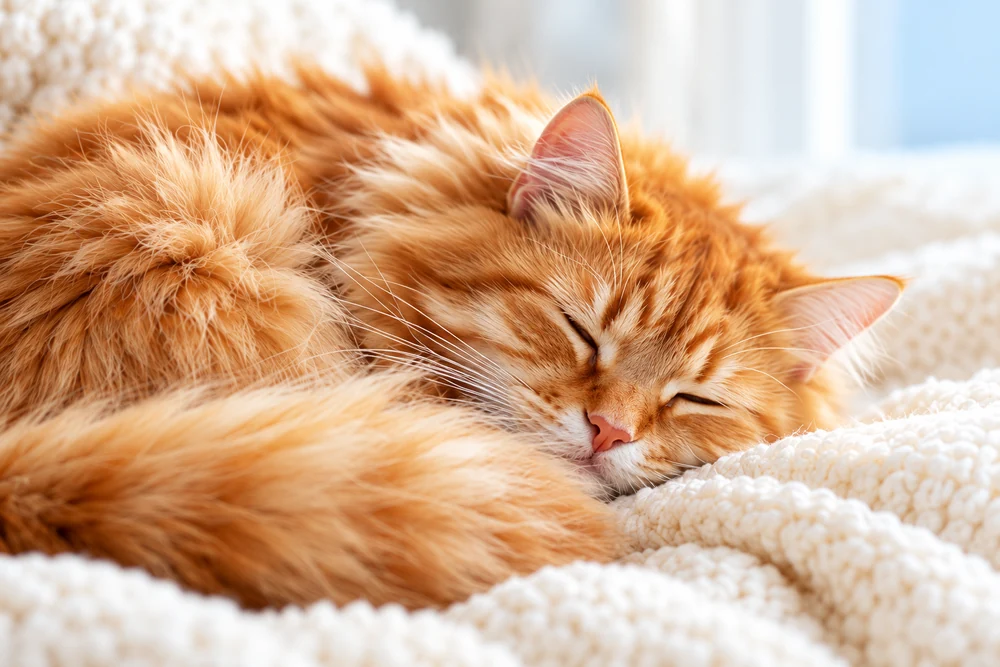
A tabby appearance tells you something about a coat, not a complete ancestry. Likewise, a long coat or a particular color is not enough on its own to establish that a cat is a Maine Coon, a Ragdoll or another named breed.
Compare breed information for interest, but resist treating resemblance as registration evidence. If pedigree identity matters for a purchase, ask for the relevant registration and ancestry paperwork and check it with the organization named on it. Registry recognition and terminology can differ; do not assume that every association uses the same list.
A pedigree record answers a narrower question
A pedigree documents ancestry within a registration system. It does not replace a conversation about an individual cat’s care, temperament or health. A named breed is a starting point for research, not a promise that every cat with that label will behave the same way.
For adoption, ask which parts of the description are known history and which are the rescue’s best estimate. “Unknown” is a useful answer when it prevents an unsupported claim. You can enjoy a cat’s distinctive appearance without assigning a speculative breed mix.
Three examples of an honest description
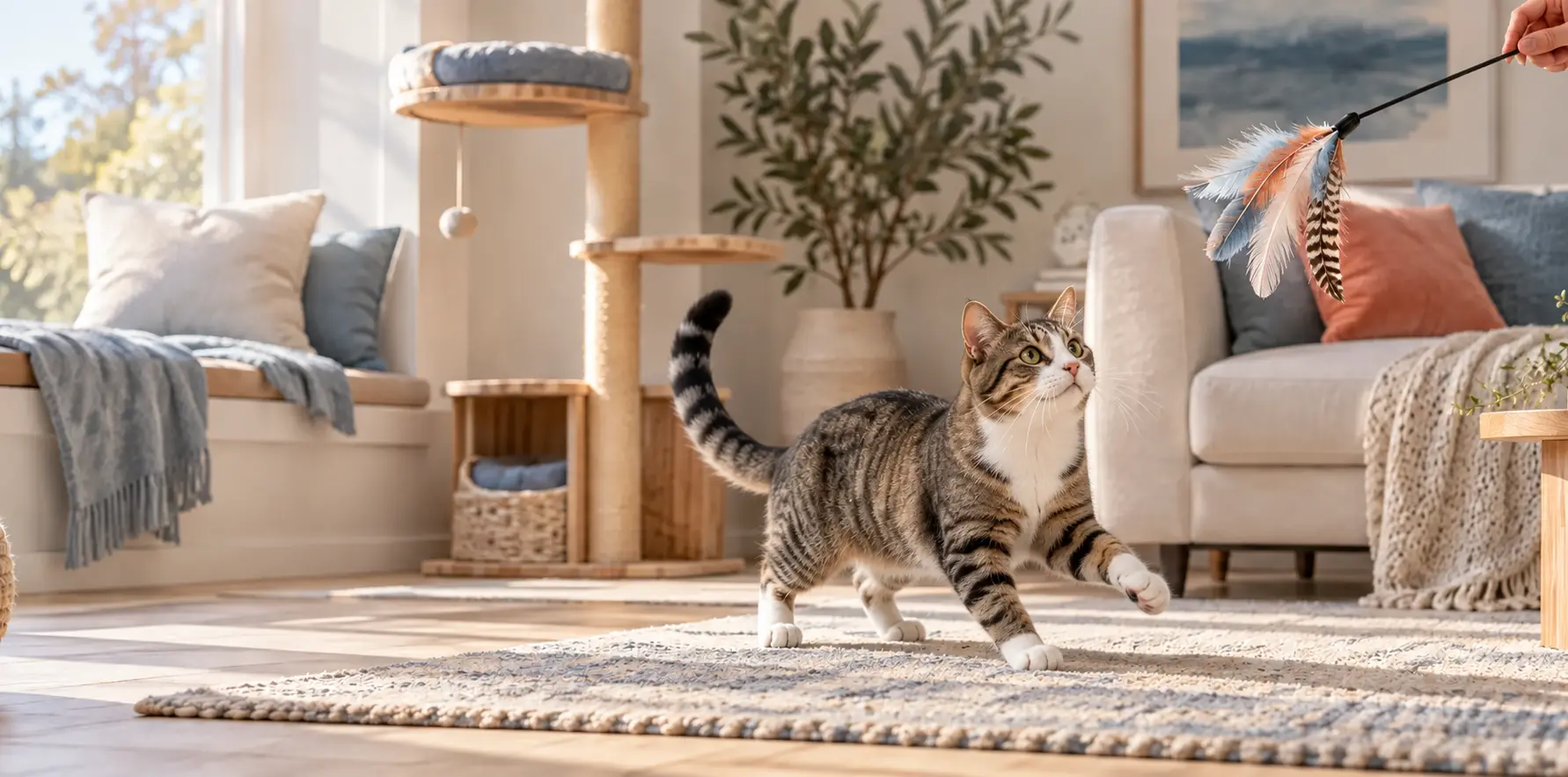
A shorthaired tabby with no ancestry records: “Domestic Shorthair; tabby coat; ancestry unknown.” This records an observable description without inventing a parent breed.
A longhaired rescue described as Maine Coon-like: “Domestic Longhair; rescue description notes a resemblance to a Maine Coon; pedigree not documented.” Keep the resemblance separate from a confirmed breed identity.
A cat supplied with registration paperwork: record the breed stated on that paperwork, then check the document with the named registry if you need confirmation. Keep the documents somewhere you can find them later.
These examples are fictional, practical illustrations of careful wording. They are not profiles of real cats or claims that appearance can verify ancestry.
Choose the most accurate option in My Catopedia
When you create your Catopedia account, choose the breed options you can reasonably support. Mixed Shorthair, Mixed Longhair, Mixed Mediumhair and Unknown are available alongside named breeds. Select every option that applies to your household, rather than forcing several cats into one label.
For each cat, record what you know and leave room to update it. An account preference helps organize your experience; it does not establish ancestry or diagnose a care need. Breed-themed merchandise can be enjoyable, but product suitability still needs its own assessment.
When several cats share your account
Suppose your household includes one documented Ragdoll and one shorthaired cat of unknown ancestry. Your household selection can include Ragdoll and Mixed Shorthair; individual cat records can then distinguish the two. If you are genuinely unsure which option fits, use Unknown instead of selecting several pedigree breeds based on photographs.
A later correction is worthwhile even when it seems small. An accurate record makes your saved information easier to understand and avoids carrying a speculative label into future conversations. It should remain separate from advice about diet, medical care or product suitability, which needs more than a breed checkbox.
Let the individual lead the introduction
Try describing your cat without starting with a breed: “Milo is a shorthaired tabby who prefers a quiet approach and spends the afternoon by the window.” That sentence gives a visitor something they can use. It describes a particular cat rather than asking a label to do all the work.
Paperwork can be meaningful. So can an uncertain history. Neither changes the attention a cat deserves. The most useful profile combines an honest description with observations of the animal in front of you.